I haven’t participated in the annual RPG-a-day social media challenge since 2017 and, this year, I’m not particularly following the rules anyway. Instead, I mentioned games I thought matched the day’s theme in some way to mastodon. Since my mastodon traffic slowly disappears, I’m immortalizing the whole month in this post:
Day 1: Discipline
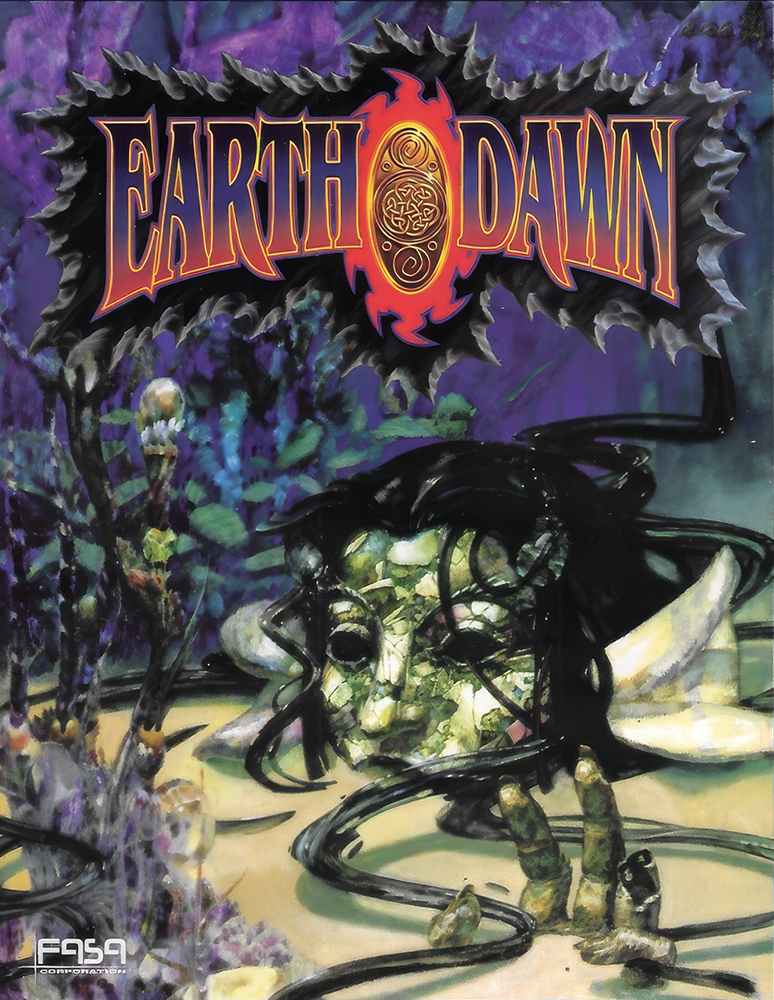 In Earthdawn
characters channel magic into a personal path, outlook, and philosophy,
a way of being called a discipline. What many games
would call a “class” becomes more of an ideal in Earthdawn,
talked about in-game, by name. I’m trying to capture this feeling in the
playbooks of After
Sanctuary my love-letter to Earthdawn.
In Earthdawn
characters channel magic into a personal path, outlook, and philosophy,
a way of being called a discipline. What many games
would call a “class” becomes more of an ideal in Earthdawn,
talked about in-game, by name. I’m trying to capture this feeling in the
playbooks of After
Sanctuary my love-letter to Earthdawn.
Day 2: Stature
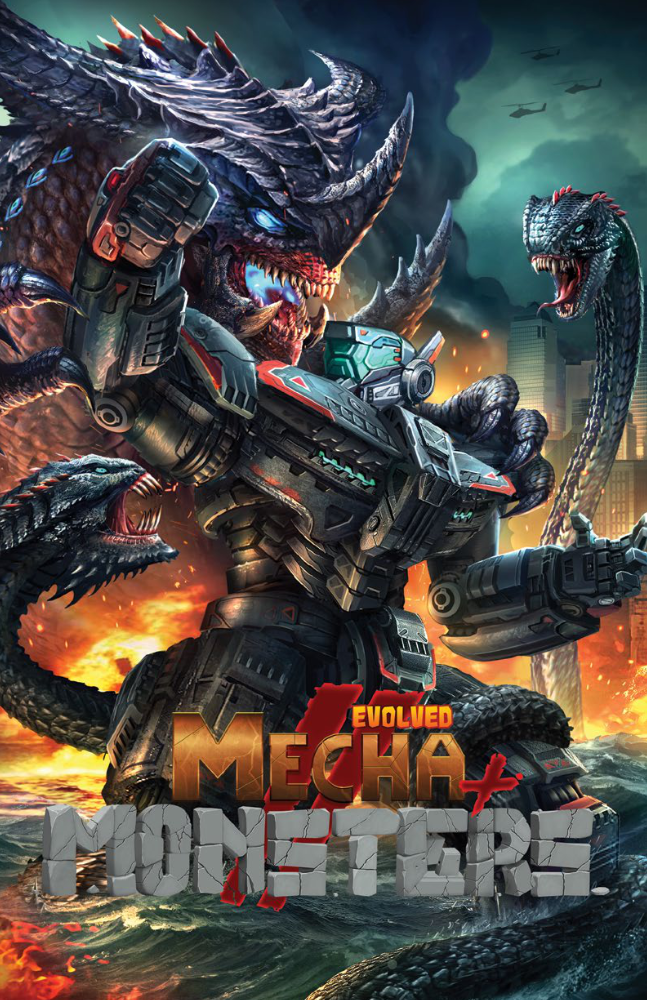 In Mecha
& Monsters: Evolved, every role has tremendous physical
stature, but the minimalist TinyD6 system aims for fast
resolution, ease of learning, and quick play. If you want endless gear
porn, chassis tables, convoluted hit locations and such, this isn’t your
game. This one is for giant, stompy clashes without micromanagement.
In Mecha
& Monsters: Evolved, every role has tremendous physical
stature, but the minimalist TinyD6 system aims for fast
resolution, ease of learning, and quick play. If you want endless gear
porn, chassis tables, convoluted hit locations and such, this isn’t your
game. This one is for giant, stompy clashes without micromanagement.
Day 3: Poise
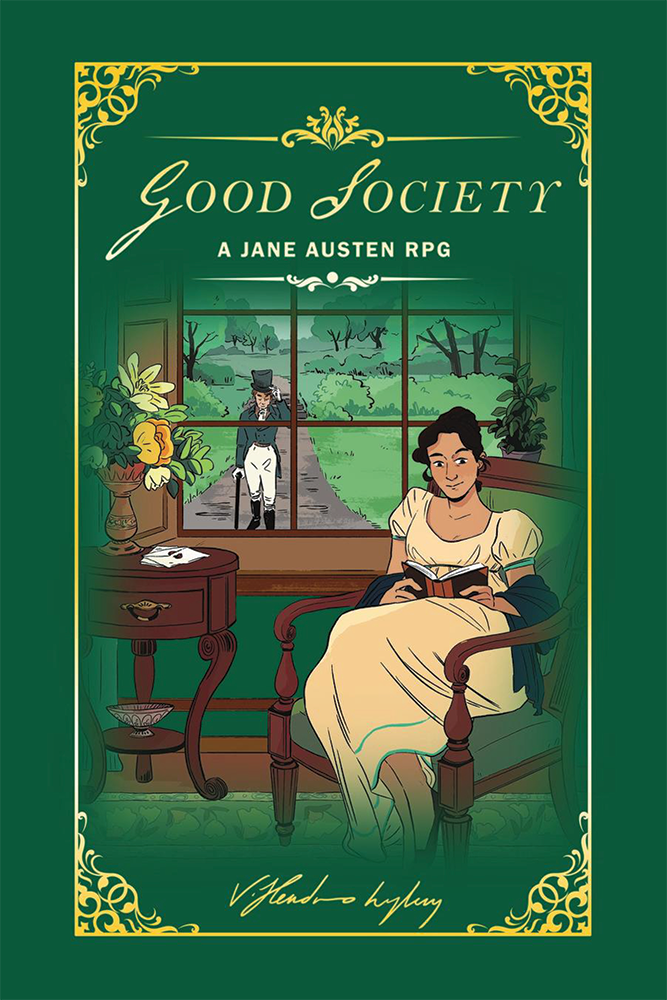 Social grace, emotional restraint, and
poise form the center of Good
Society, a Jane Austen roleplaying game. Play is diceless,
supported by custom cards, with or without a GM. Players create a web of
social connections to secondary characters, inhabited by other players
when needed. I missed this original Kickstarter, but they appear…
poised… to kickstart a second edition soon.
Social grace, emotional restraint, and
poise form the center of Good
Society, a Jane Austen roleplaying game. Play is diceless,
supported by custom cards, with or without a GM. Players create a web of
social connections to secondary characters, inhabited by other players
when needed. I missed this original Kickstarter, but they appear…
poised… to kickstart a second edition soon.
Day 4: Charm
 All the meanings of
charm come to play in Pasión
de las Pasiones, a PbtA simulation of
telenovelas. The playbooks and moves in Pasión provide their
own system geared towards melodrama, excitement, and romance, with
sessions of play intended to act as episodes in an epic telenovela,
guided by one of several “playsets”, each with its own hooks and advantages.
All the meanings of
charm come to play in Pasión
de las Pasiones, a PbtA simulation of
telenovelas. The playbooks and moves in Pasión provide their
own system geared towards melodrama, excitement, and romance, with
sessions of play intended to act as episodes in an epic telenovela,
guided by one of several “playsets”, each with its own hooks and advantages.
Day 5: Burden
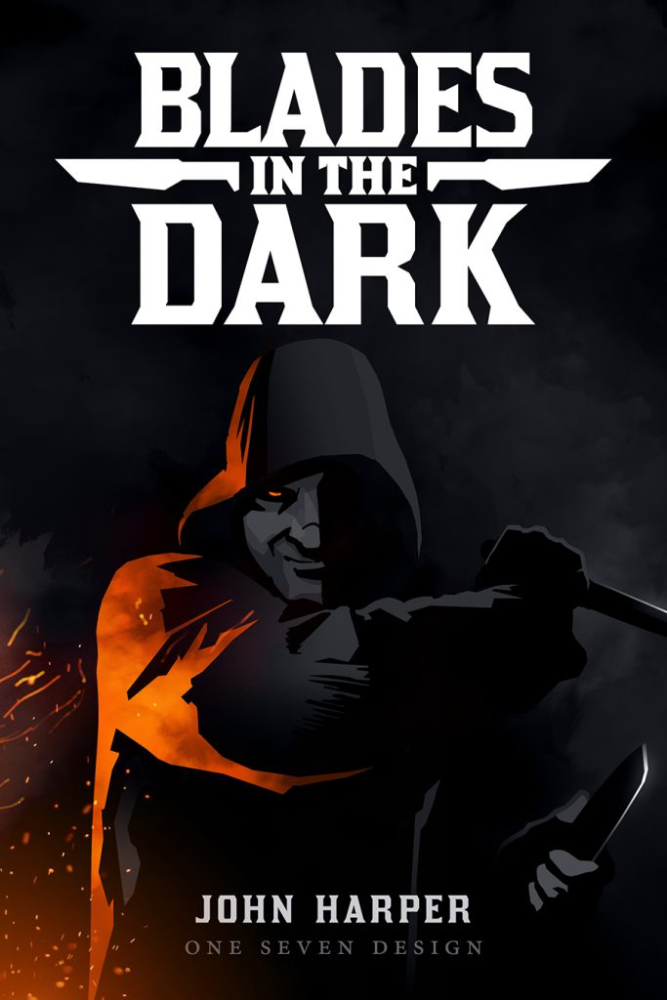 The heists
and criminal lifestyle of characters in Blades in the Dark
accumulate (mechanically) an ever-growing burden of
trauma, debts, enemies, and consequences. The question is often “how
much can you carry before you break?” The game inspired a Creative
Commons SRD (“Forged in
the Dark”) which powers a diversity of other
games.
The heists
and criminal lifestyle of characters in Blades in the Dark
accumulate (mechanically) an ever-growing burden of
trauma, debts, enemies, and consequences. The question is often “how
much can you carry before you break?” The game inspired a Creative
Commons SRD (“Forged in
the Dark”) which powers a diversity of other
games.
Day 6: Reach
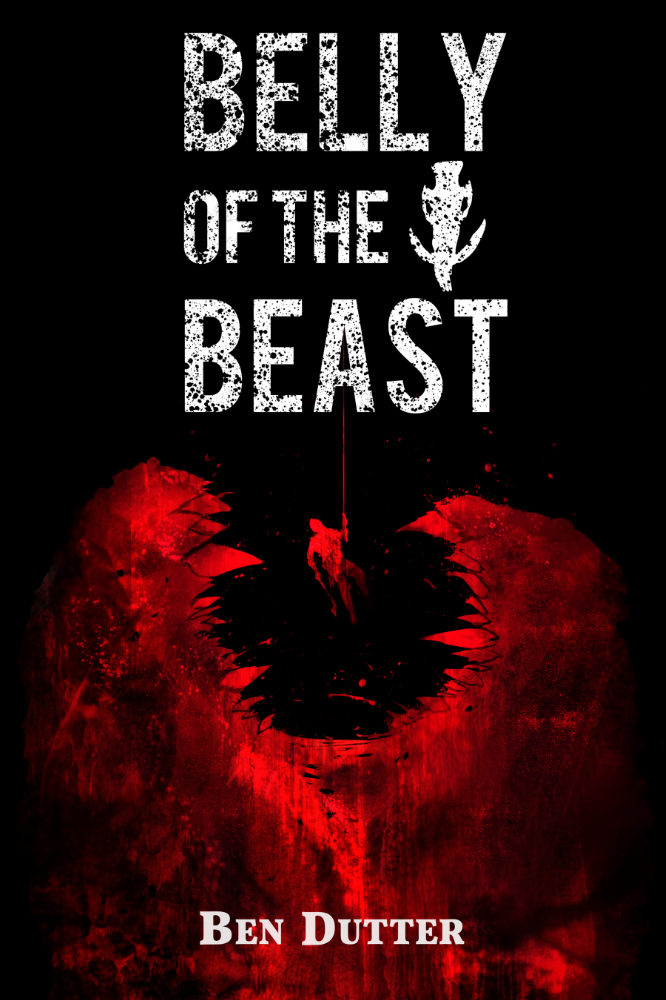 When entire
civilizations have been consumed and reside in the Belly
of the Beast, your survival depends on how far you can
reach into the bowels of the World Eater to scavenge.
Mechanical instincts push characters to better rewards in deeper, worse, places.
When entire
civilizations have been consumed and reside in the Belly
of the Beast, your survival depends on how far you can
reach into the bowels of the World Eater to scavenge.
Mechanical instincts push characters to better rewards in deeper, worse, places.
Day 7: Mercy
 In Monster Care
Squad characters repeatedly must confront and stop something
capable of tremendous harm, but destroying or deliberately hurting it
isn’t an acceptable solution. They must show mercy, and
understand and heal it instead. The game takes the idea of boss fights
and reframes them as medical emergencies.
In Monster Care
Squad characters repeatedly must confront and stop something
capable of tremendous harm, but destroying or deliberately hurting it
isn’t an acceptable solution. They must show mercy, and
understand and heal it instead. The game takes the idea of boss fights
and reframes them as medical emergencies.
Day 8: Resolve
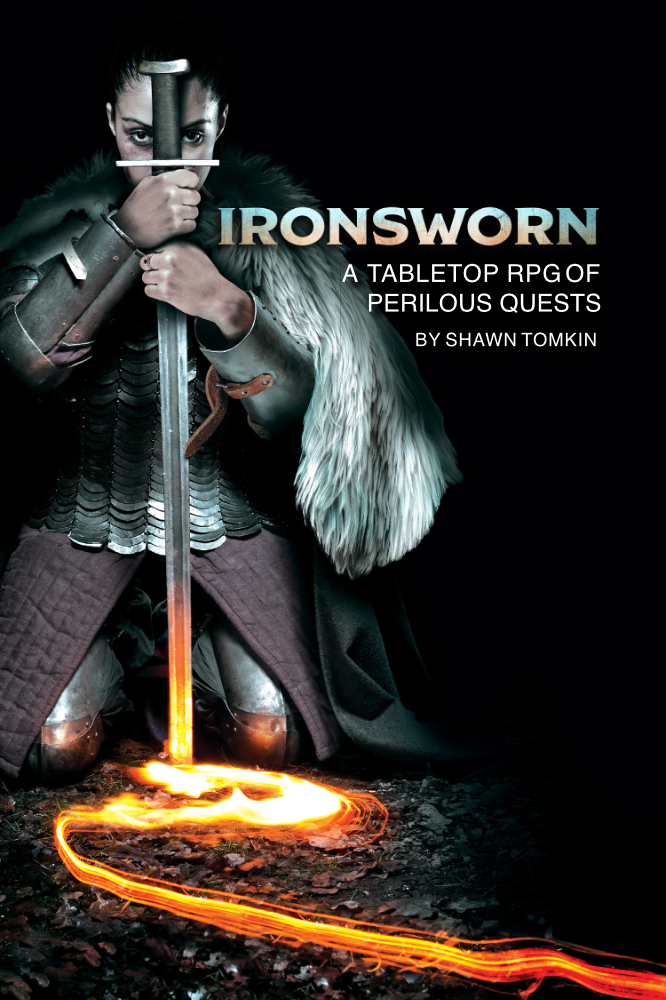 In Ironsworn
characters swear vows, mechanically tracked commitment, and play is
about overcoming milestones toward fulfilling them. Characters
effectively say “I will do this”, and the whole game asks whether you’ll
continue to mean it when fulfilling that promise becomes difficult.
That’s resolve.
In Ironsworn
characters swear vows, mechanically tracked commitment, and play is
about overcoming milestones toward fulfilling them. Characters
effectively say “I will do this”, and the whole game asks whether you’ll
continue to mean it when fulfilling that promise becomes difficult.
That’s resolve.
Day 9: Privilege
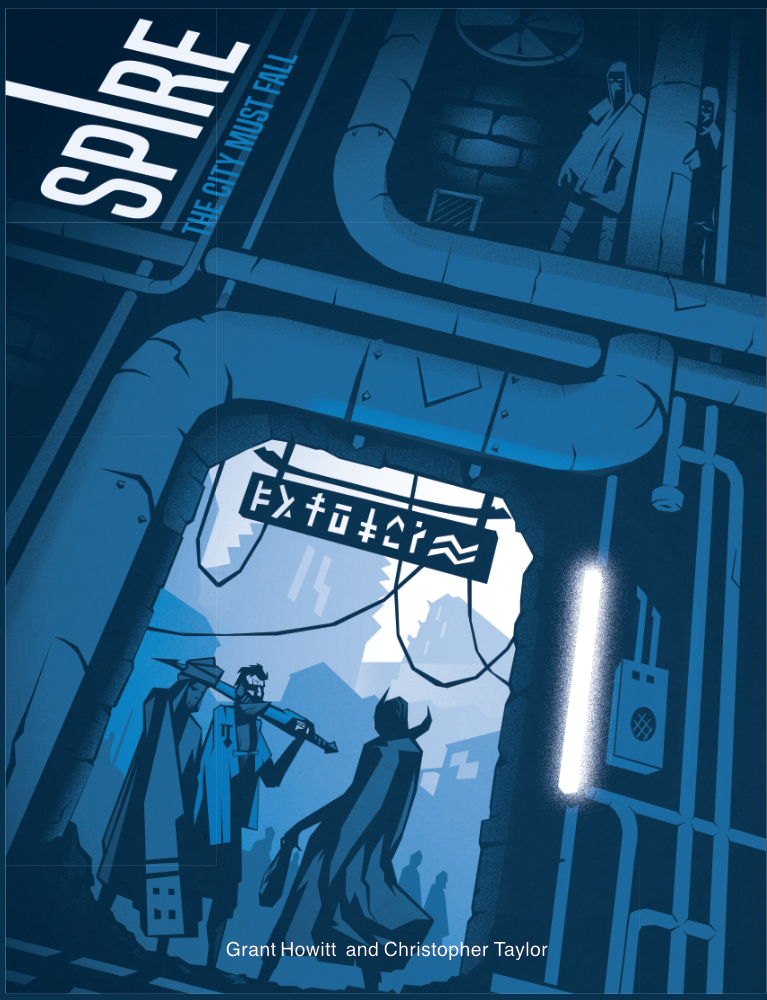 In Spire: The City Must
Fall, desperate revolutionary dark elves revolt against the
oppression and privilege of high elves. Social position
is mechanically actionable and a character’s ability to navigate society
is part of the game’s machinery. Further, the PCs themselves aren’t
equally privileged, having very different relationships with
institutions, wealth, religion and status.
In Spire: The City Must
Fall, desperate revolutionary dark elves revolt against the
oppression and privilege of high elves. Social position
is mechanically actionable and a character’s ability to navigate society
is part of the game’s machinery. Further, the PCs themselves aren’t
equally privileged, having very different relationships with
institutions, wealth, religion and status.
Day 10: Secret
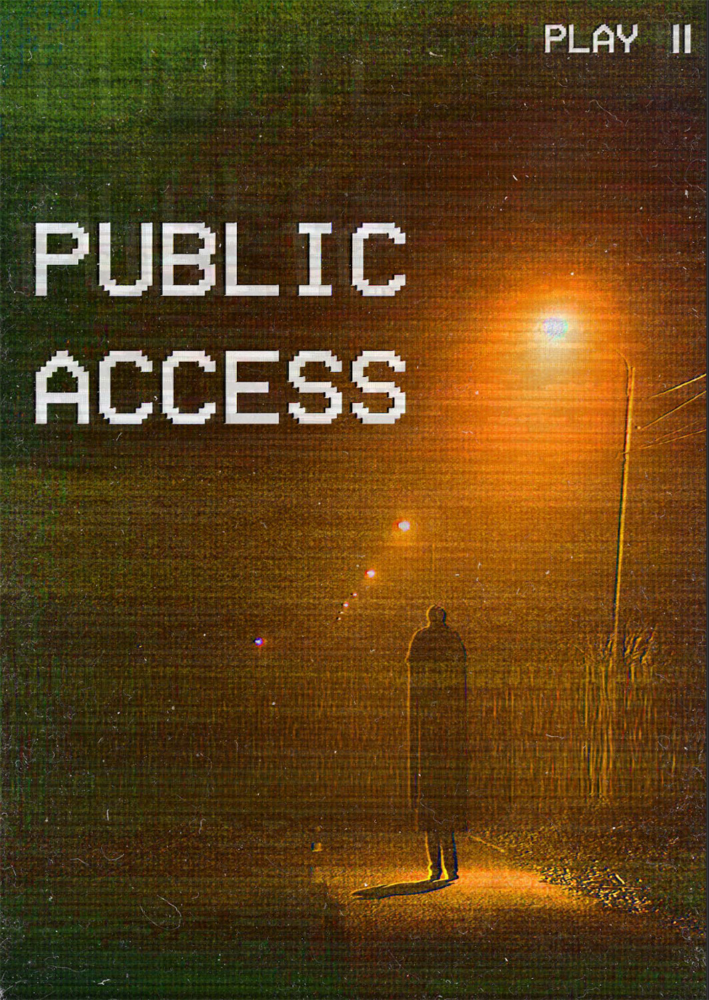 The secret in Public
Access is buried history. Being a “Carved From Brindlewood”
game, secrets are revealed through play, not prewritten, and rules make
the construction and revelation of the hidden truth part of the game.
Lost recordings and strange broadcasts lend an eerie feel to the whole affair.
The secret in Public
Access is buried history. Being a “Carved From Brindlewood”
game, secrets are revealed through play, not prewritten, and rules make
the construction and revelation of the hidden truth part of the game.
Lost recordings and strange broadcasts lend an eerie feel to the whole affair.
Day 11: Tact
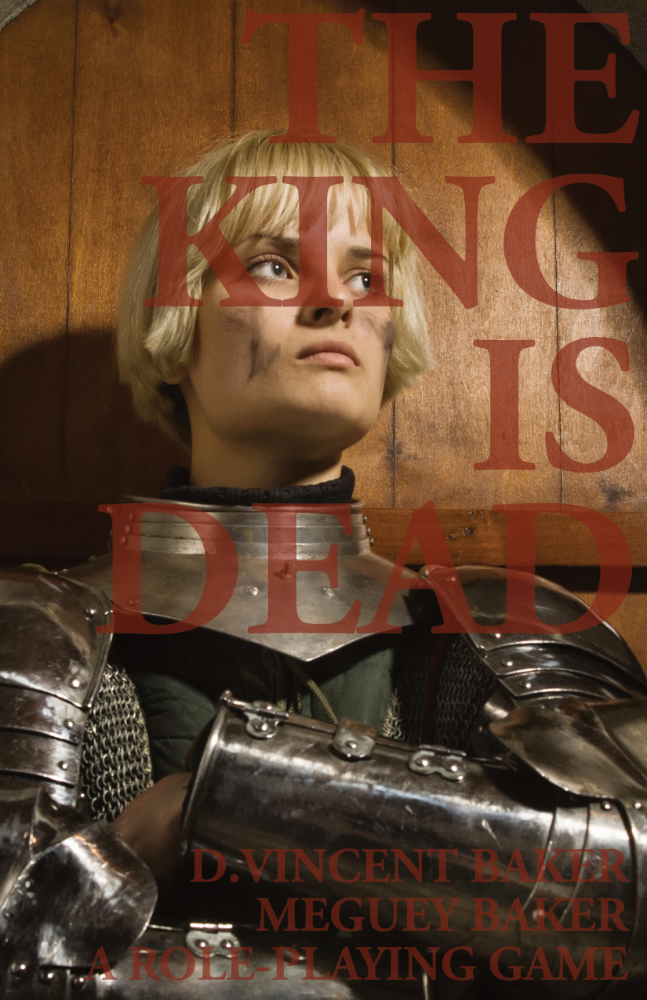 The King Is
Dead builds the need for tact into the heart
of its premise: you cannot simply crush everyone opposing you, because
those same people are your peers, relations, potential partners, and
future allies. This is social roleplaying way beyond “what is my
persuasion bonus”.
The King Is
Dead builds the need for tact into the heart
of its premise: you cannot simply crush everyone opposing you, because
those same people are your peers, relations, potential partners, and
future allies. This is social roleplaying way beyond “what is my
persuasion bonus”.
Day 12: Loss
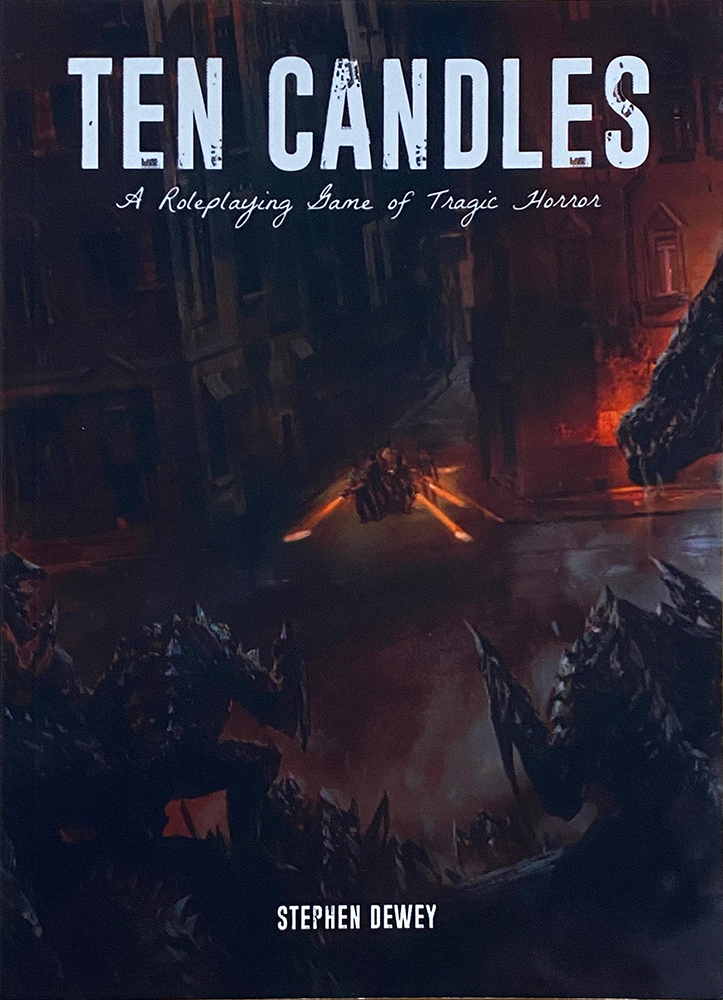 The physical loss of
light as candles are extinguished during Ten Candles makes
visceral the deterioration of the mechanical situation. As darkeness
increases, you watch your narrative possibilities disappear as well,
knowing from the start that “victory” is impossible and the point is for
the characters to do what you can the time they have.
The physical loss of
light as candles are extinguished during Ten Candles makes
visceral the deterioration of the mechanical situation. As darkeness
increases, you watch your narrative possibilities disappear as well,
knowing from the start that “victory” is impossible and the point is for
the characters to do what you can the time they have.
Day 13: Strain
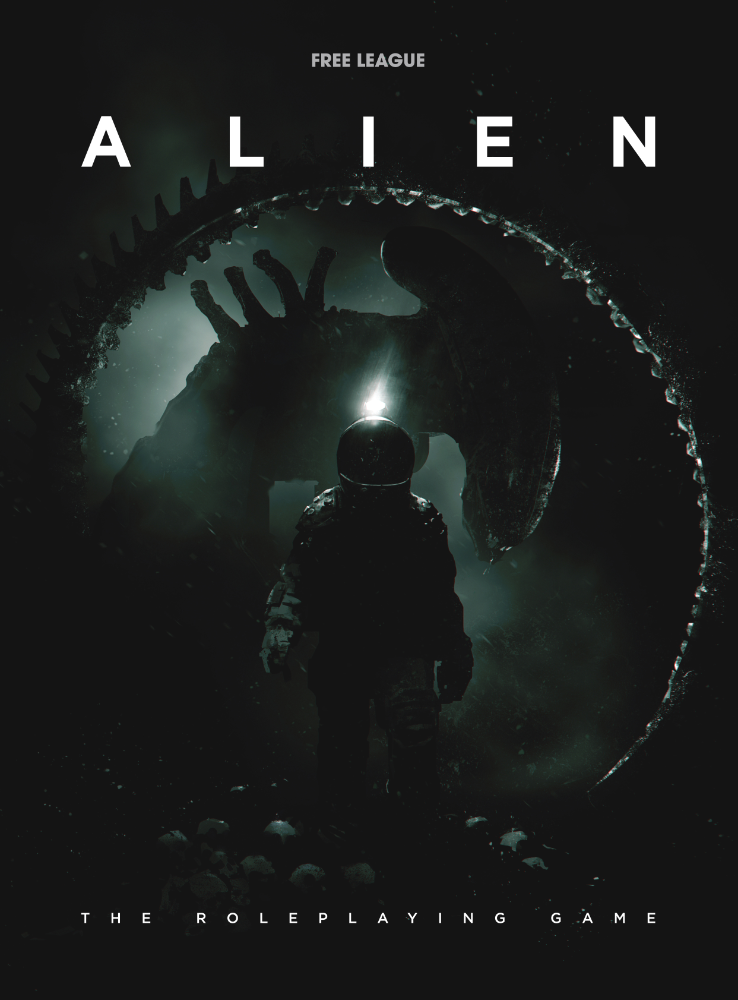 Mechanisms within Alien: The
Roleplaying Game incentivize players to have their characters
work under strain. When characters accumulate stress,
this initially helps them succeed, but too much stress causes them to
(mechanically) panic. It’s an interesting elevation of
Mothership’s stress/panic idea, because stress isn’t always
bad, encouraging players to engage with it.
Mechanisms within Alien: The
Roleplaying Game incentivize players to have their characters
work under strain. When characters accumulate stress,
this initially helps them succeed, but too much stress causes them to
(mechanically) panic. It’s an interesting elevation of
Mothership’s stress/panic idea, because stress isn’t always
bad, encouraging players to engage with it.
Day 14: Regard
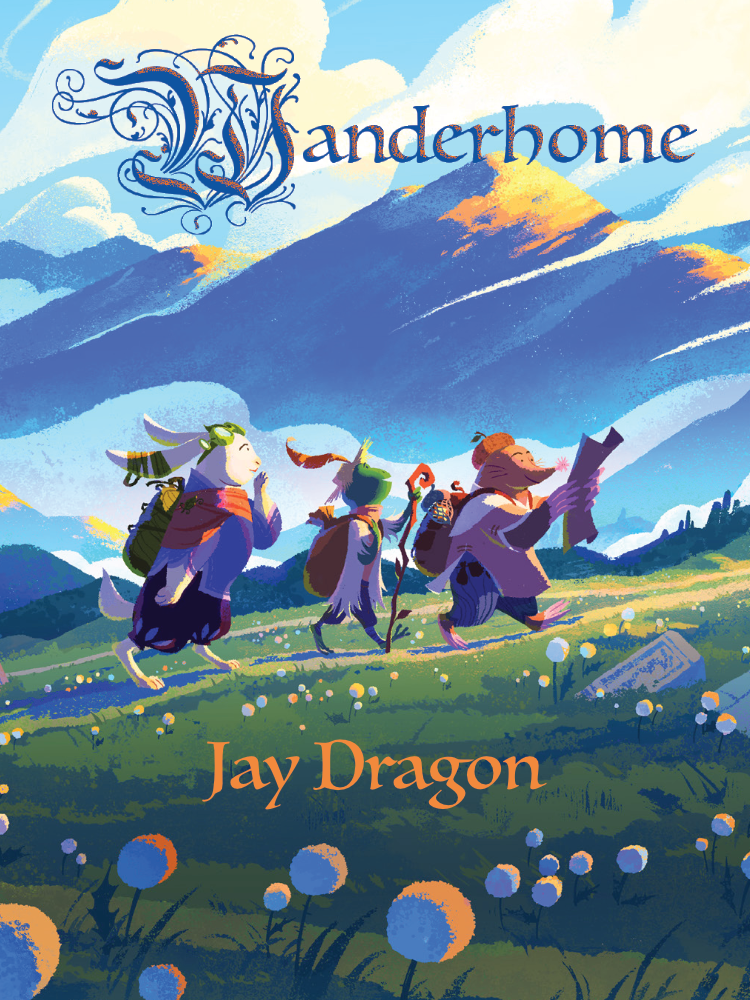 Wanderhome
embodies several meanings of regard, but particularly
the verb form. It encourages you to first notice the world, then turn
that attention to understanding, caring, then response, rather than
treating everything as series of obstacles. Its token economy also
rewards vulnerability, helping, appreciating the world, and regard for
others. A Belonging Outside
Belonging game.
Wanderhome
embodies several meanings of regard, but particularly
the verb form. It encourages you to first notice the world, then turn
that attention to understanding, caring, then response, rather than
treating everything as series of obstacles. Its token economy also
rewards vulnerability, helping, appreciating the world, and regard for
others. A Belonging Outside
Belonging game.
Day 15: Endurance
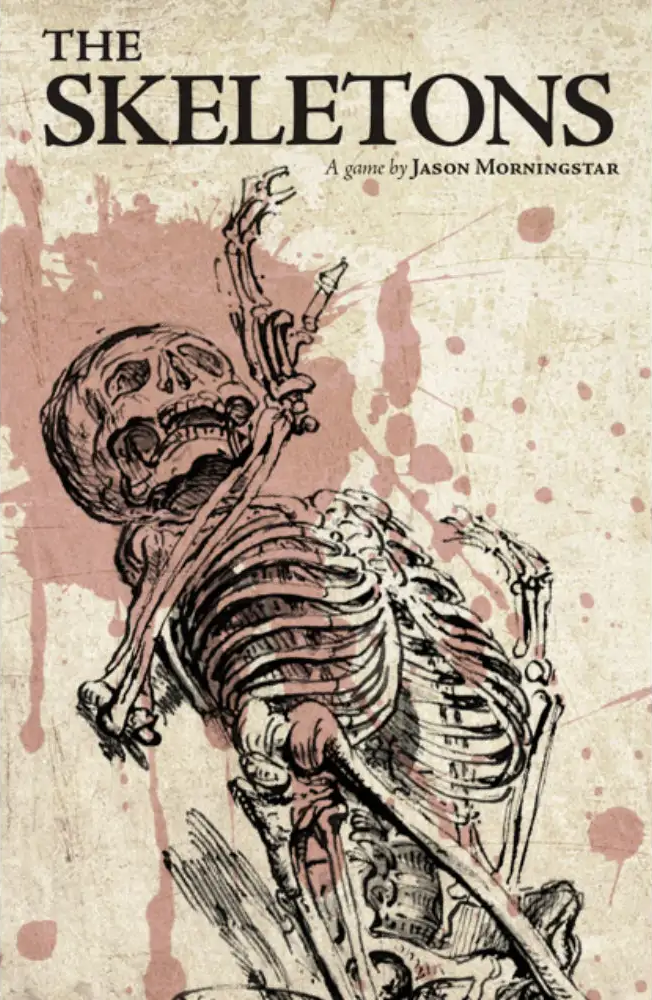 Characters in The
Skeletons possess the endurance to guard their
crypt endlessly for centuries. After encounters, players spend time in
darkness and silence to represent the passage of enormous stretches of
time before their characters are abruptly recalled to defend the crypt
again, an act of endurance all its own.
Characters in The
Skeletons possess the endurance to guard their
crypt endlessly for centuries. After encounters, players spend time in
darkness and silence to represent the passage of enormous stretches of
time before their characters are abruptly recalled to defend the crypt
again, an act of endurance all its own.
Day 16: Composure
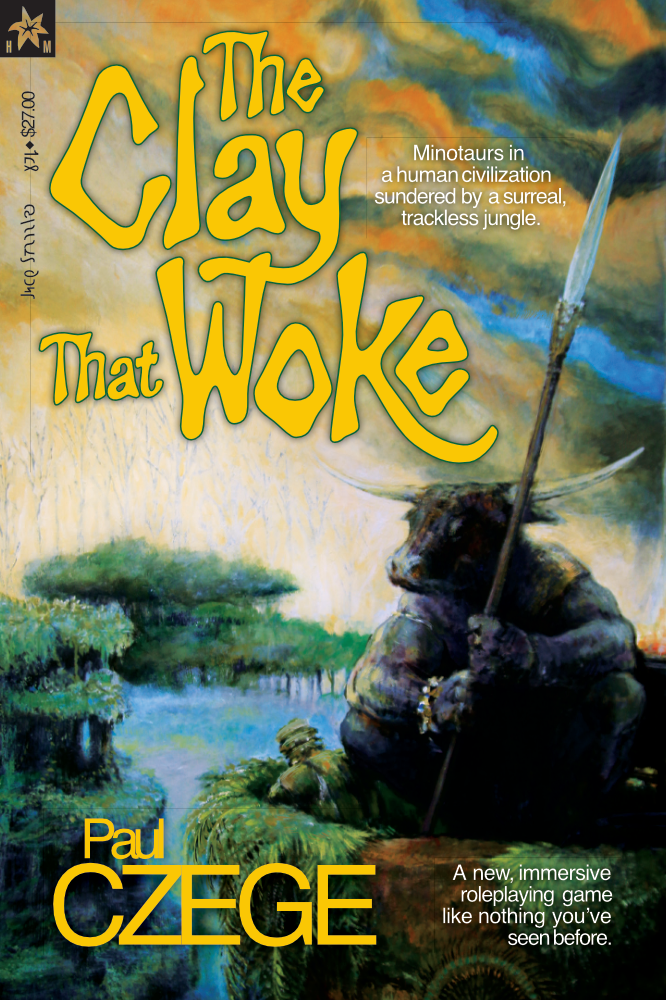 The text of
The Clay That Woke never uses the word
composure, but you play minotaurs in a culture obessed
with it. Characters breaking Silence carries mechanical consequences,
while the game encourages situations where Silence can break. What
finally makes you stop restraining yourself?
The text of
The Clay That Woke never uses the word
composure, but you play minotaurs in a culture obessed
with it. Characters breaking Silence carries mechanical consequences,
while the game encourages situations where Silence can break. What
finally makes you stop restraining yourself?
Day 17: Intensity
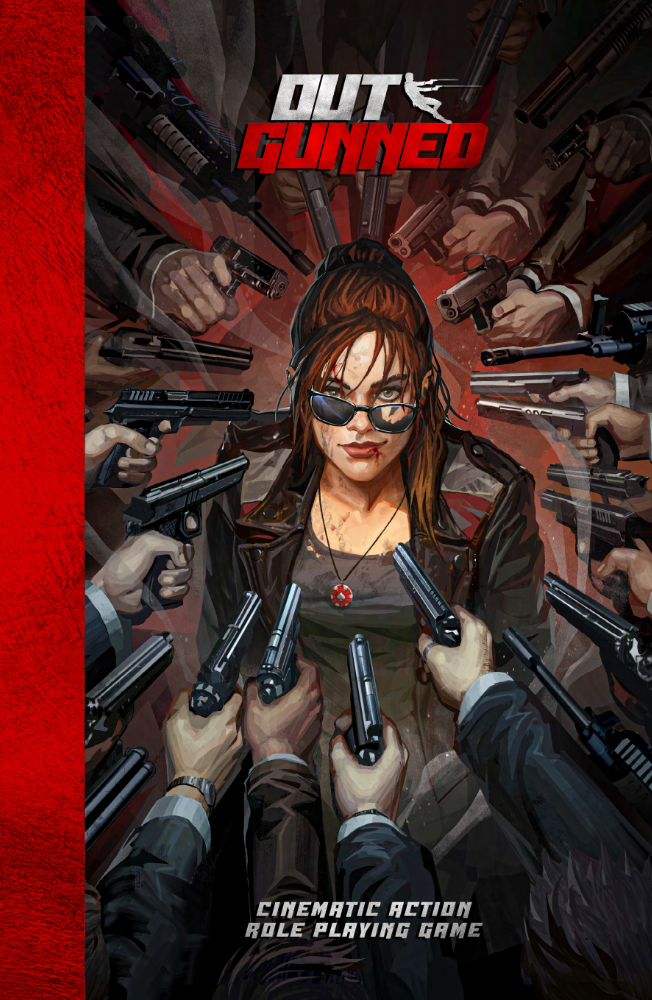 There are a number of games that
foster tension, but this prompt is intensity,
so I’m going with Outgunned, with its
mechanical drives toward cinematic action. As pressure increases,
characters are increasingly able and willing to do something outrageous.
The rules don’t simulate reality, but the rhythm of an action sequence.
There are a number of games that
foster tension, but this prompt is intensity,
so I’m going with Outgunned, with its
mechanical drives toward cinematic action. As pressure increases,
characters are increasingly able and willing to do something outrageous.
The rules don’t simulate reality, but the rhythm of an action sequence.
Day 18: Directness
 What’s
the minimum machinery needed to start having a space adventure? Lasers &
Feelings answers this question. You can even print a version onto business cards
and play between ordering food at a restaurant and receiving it. It’s
several kinds of directness: starting play fast,
keeping the game moving, hacking rules into a vast array into
other games.
What’s
the minimum machinery needed to start having a space adventure? Lasers &
Feelings answers this question. You can even print a version onto business cards
and play between ordering food at a restaurant and receiving it. It’s
several kinds of directness: starting play fast,
keeping the game moving, hacking rules into a vast array into
other games.
Day 19: Desire
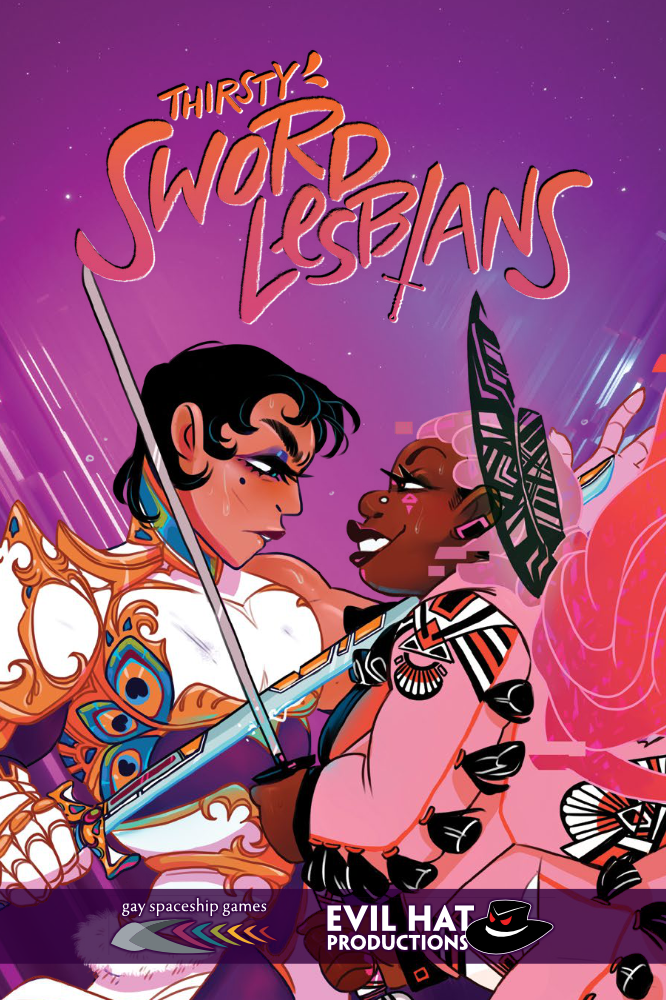 Mechanics of Thirsty Sword
Lesbians repeatedly transform attraction and emotional interest
into actionable relationships. The game’s moves expect emotional and
physical attraction to alter the course of conflicts. But the game also
concerns other types of desire: belonging, recognition,
identity, purpose.
Mechanics of Thirsty Sword
Lesbians repeatedly transform attraction and emotional interest
into actionable relationships. The game’s moves expect emotional and
physical attraction to alter the course of conflicts. But the game also
concerns other types of desire: belonging, recognition,
identity, purpose.
Day 20: Promise
 Hearts of
Wulin fixates on the promise you wish you
hadn’t made. Wuxia melodrama requires commitments, but the relationship
structure in the game gives you a reason that keeping the promise is
emotionally disastrous. Conflicting obligations and feelings aren’t just
backstory, but exactly what the game wants.
Hearts of
Wulin fixates on the promise you wish you
hadn’t made. Wuxia melodrama requires commitments, but the relationship
structure in the game gives you a reason that keeping the promise is
emotionally disastrous. Conflicting obligations and feelings aren’t just
backstory, but exactly what the game wants.
Day 21: Charity
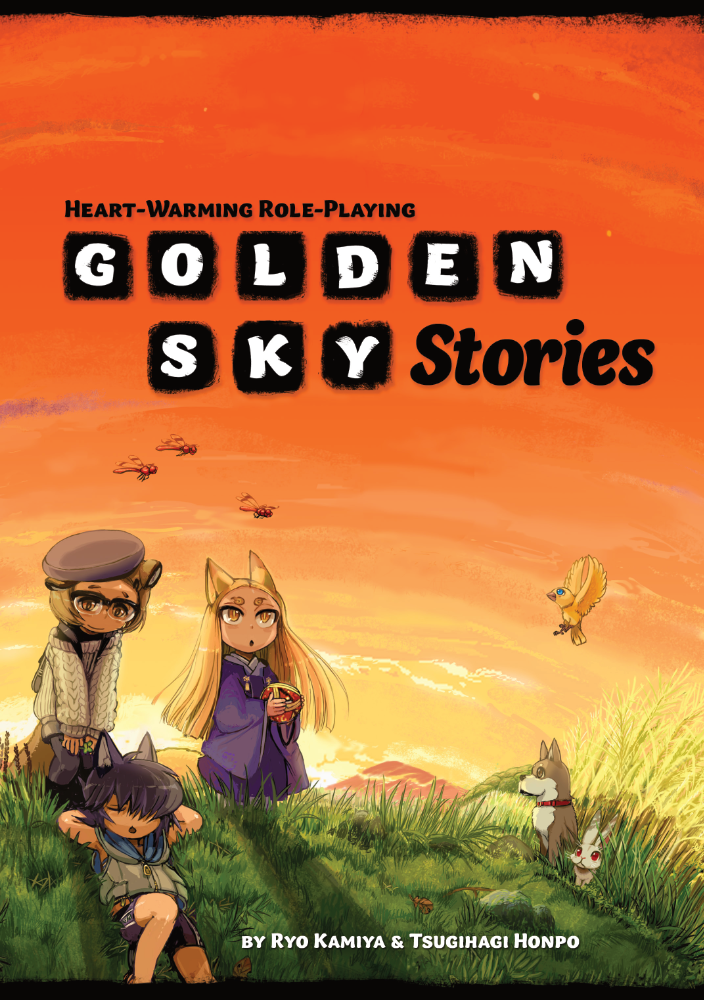 Golden Sky Stories presents
the charity of animal spirits with human forms (the
characters) helping ordinary people with small, personal problems. While
many games build play around a loop of acquisitiveness, this game feeds
generosity towards others, connections, dreams, happiness into one
another in a positive feedback loop.
Golden Sky Stories presents
the charity of animal spirits with human forms (the
characters) helping ordinary people with small, personal problems. While
many games build play around a loop of acquisitiveness, this game feeds
generosity towards others, connections, dreams, happiness into one
another in a positive feedback loop.
Day 22: Grit
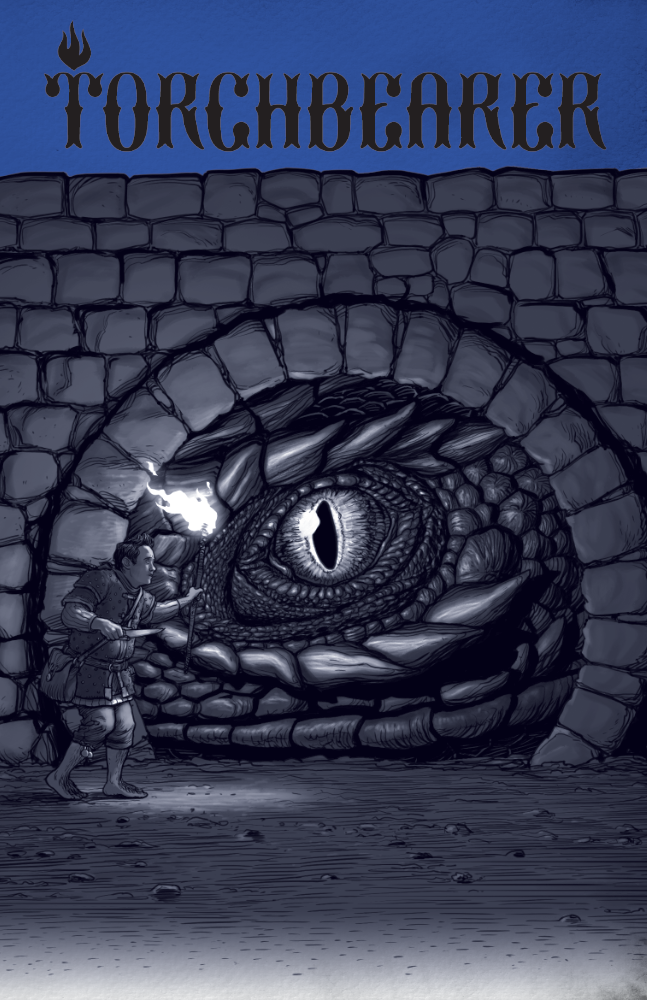 Time works against adventurers in
Torchbearer. The
grind of the dungeon erodes resources, bodies, and minds, rest is likely
far away, and you need the grit to keep going anyway.
Discomfort becomes one of the principal subjects of adventuring.
Time works against adventurers in
Torchbearer. The
grind of the dungeon erodes resources, bodies, and minds, rest is likely
far away, and you need the grit to keep going anyway.
Discomfort becomes one of the principal subjects of adventuring.
Day 23: Fortune
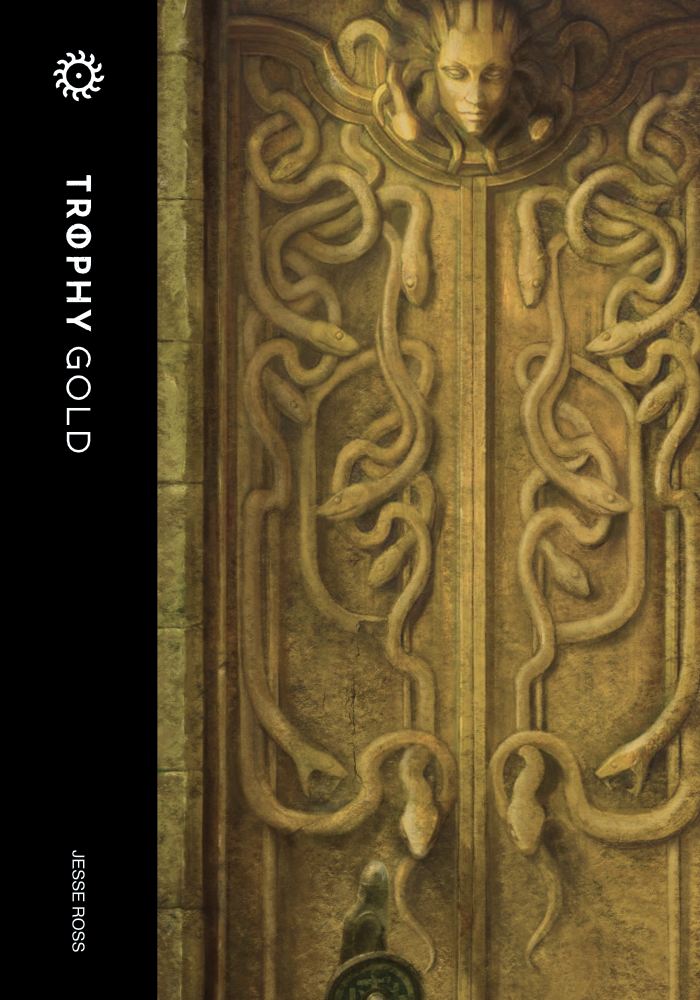 When the desperate treasure-hunters in
Trophy Gold seek
fortune, they keep at it until they succeed or die
penniless. This is not heroic power fantasy, but pillagers taking huge
risks for wealth. It is also collaborative, improvisational, driven by
structured “incursions”, and often you play to lose.
When the desperate treasure-hunters in
Trophy Gold seek
fortune, they keep at it until they succeed or die
penniless. This is not heroic power fantasy, but pillagers taking huge
risks for wealth. It is also collaborative, improvisational, driven by
structured “incursions”, and often you play to lose.
Day 24: Distance
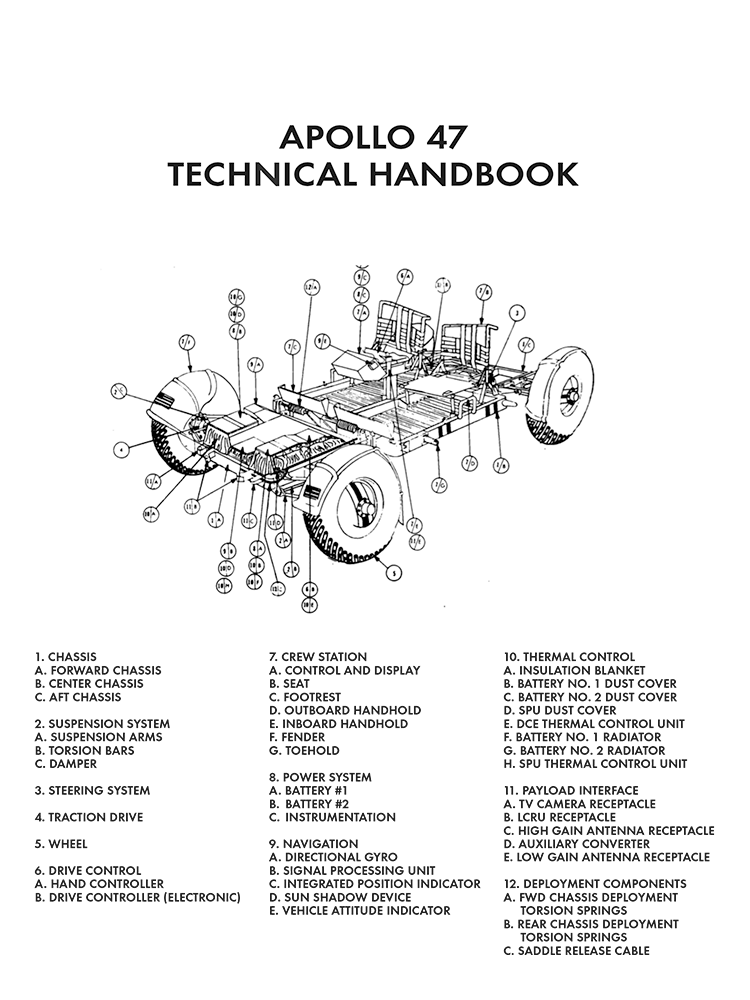 Apollo 47 makes
distance profoundly inconvenient, working on the Moon,
with support on Earth. At the same time, because it’s played as a radio
conversation, distance between players is no impediment (and, indeed, is
something of an asset). The hardback version contains 23 pages of rules
and 1177 pages of NASA manuals for prompts.
Apollo 47 makes
distance profoundly inconvenient, working on the Moon,
with support on Earth. At the same time, because it’s played as a radio
conversation, distance between players is no impediment (and, indeed, is
something of an asset). The hardback version contains 23 pages of rules
and 1177 pages of NASA manuals for prompts.
Day 25: Familiarity
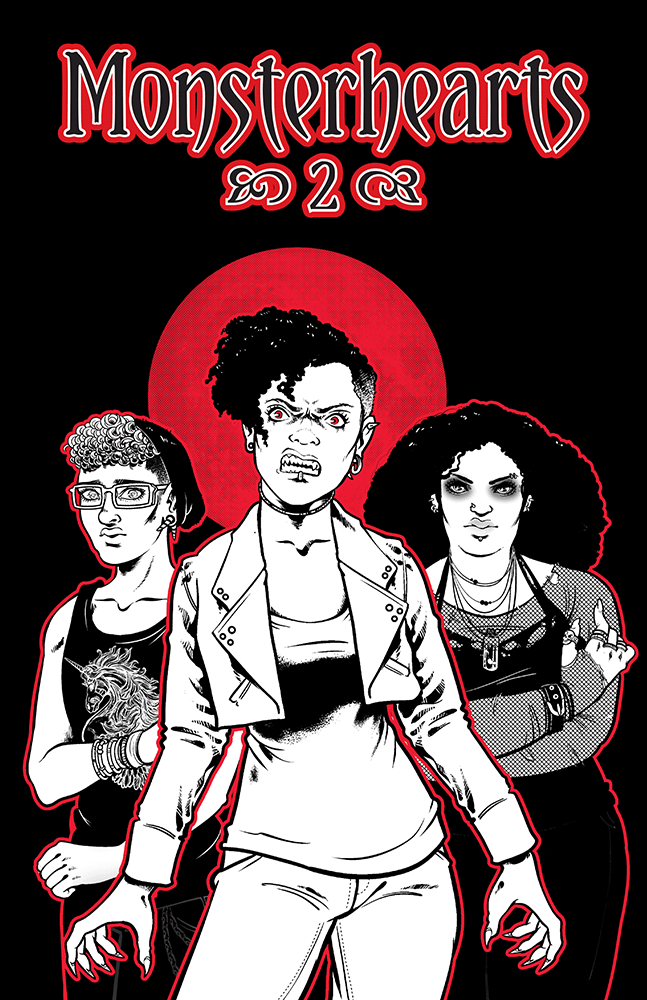 Monsterhearts
2 posits that you shouldn’t have full narrative control over
what you are attracted to or what you want, but you should be able to
transform familiarity with someone into leverage over
them. Welcome the messy lives of teenagers who are secretly monsters
(certainly literally, often figuratively).
Monsterhearts
2 posits that you shouldn’t have full narrative control over
what you are attracted to or what you want, but you should be able to
transform familiarity with someone into leverage over
them. Welcome the messy lives of teenagers who are secretly monsters
(certainly literally, often figuratively).
Day 26: Regret
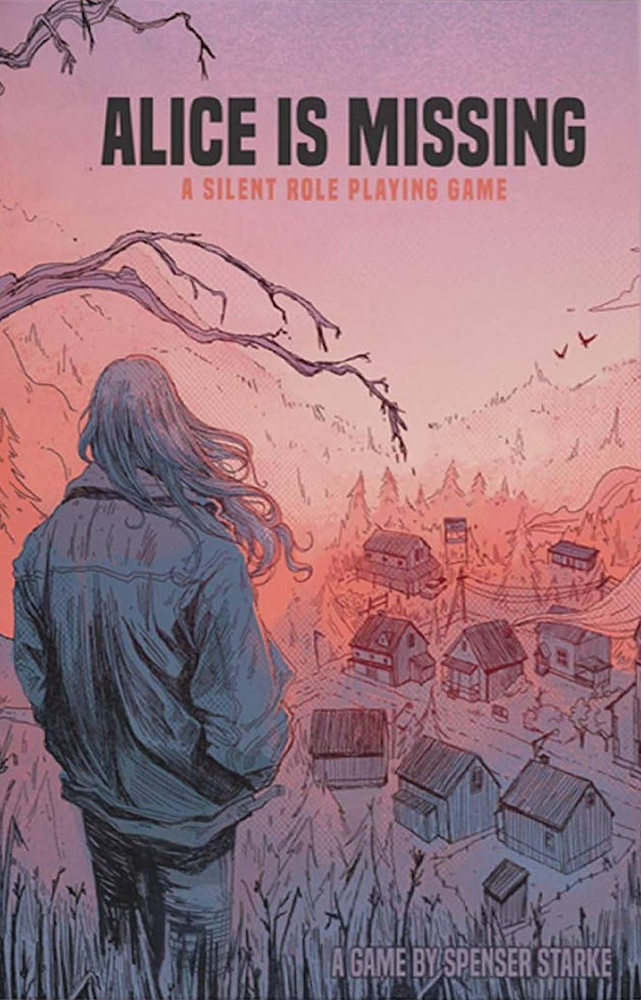 Alice is Missing revolves
around text conversations filled with regret, played
live in a fixed time frame, without verbal communication. Recording a
voicemail left by your character before they know Alice is missing
amplifies the regret: the past has become fixed, while your
understanding of it has changed.
Alice is Missing revolves
around text conversations filled with regret, played
live in a fixed time frame, without verbal communication. Recording a
voicemail left by your character before they know Alice is missing
amplifies the regret: the past has become fixed, while your
understanding of it has changed.
Day 27: Hunger
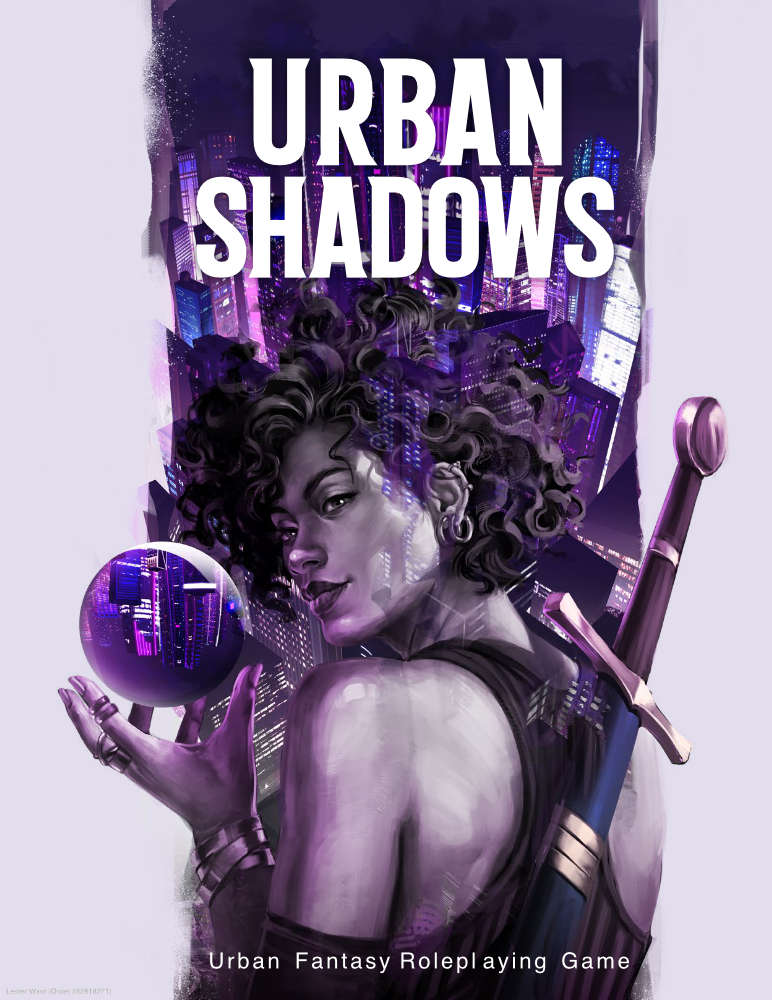 The vampires, wizards, werewolves,
fae, ghosts and other characters in Urban
Shadows all obsess over different kinds of
hunger. Mortals and monsters vie for control of a
modern-day city, a hidden political battleground with hungers all its
own. Rather than claiming to support “intrigue” with 250 pages of combat
rules, this game delivers.
The vampires, wizards, werewolves,
fae, ghosts and other characters in Urban
Shadows all obsess over different kinds of
hunger. Mortals and monsters vie for control of a
modern-day city, a hidden political battleground with hungers all its
own. Rather than claiming to support “intrigue” with 250 pages of combat
rules, this game delivers.
Day 28: Devotion
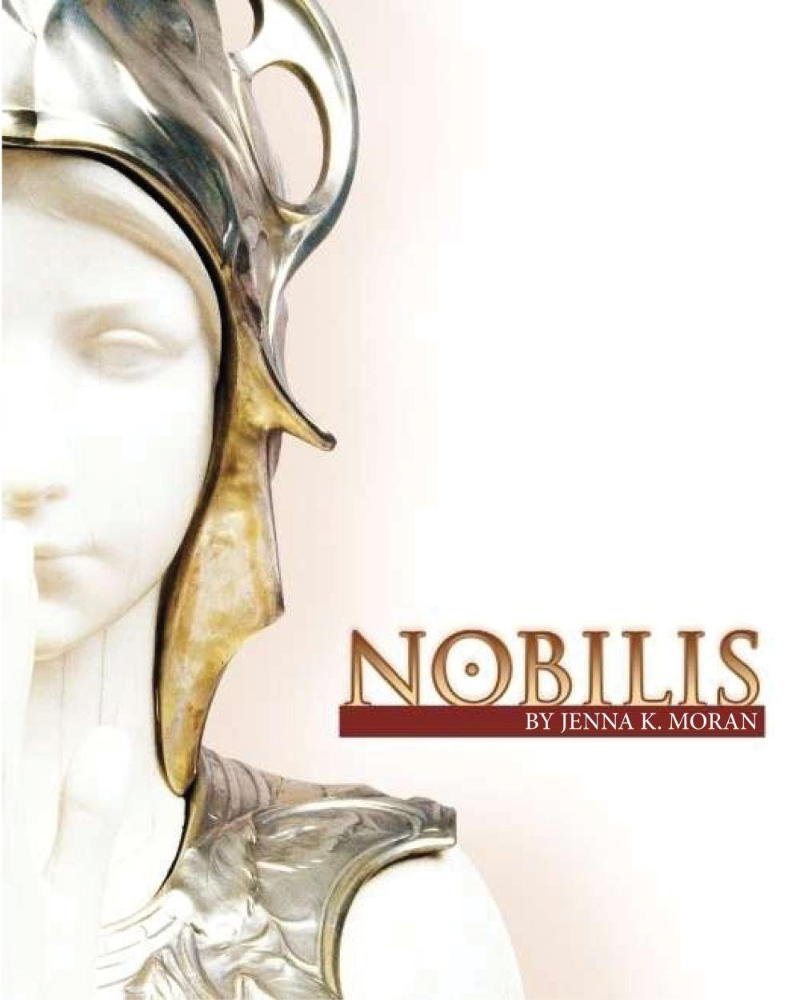 The devotion of the
Nobilis
to their Estate (concepts like “fire” or “storms” or “love”) is total,
both the source of their power and their weaknesses. The bonds and
afflictions in the most recent version of this game mechanize this
devotion nicely. (The legendary square coffee-table second edition
claims some devotion of its own.)
The devotion of the
Nobilis
to their Estate (concepts like “fire” or “storms” or “love”) is total,
both the source of their power and their weaknesses. The bonds and
afflictions in the most recent version of this game mechanize this
devotion nicely. (The legendary square coffee-table second edition
claims some devotion of its own.)
Day 29: Labor
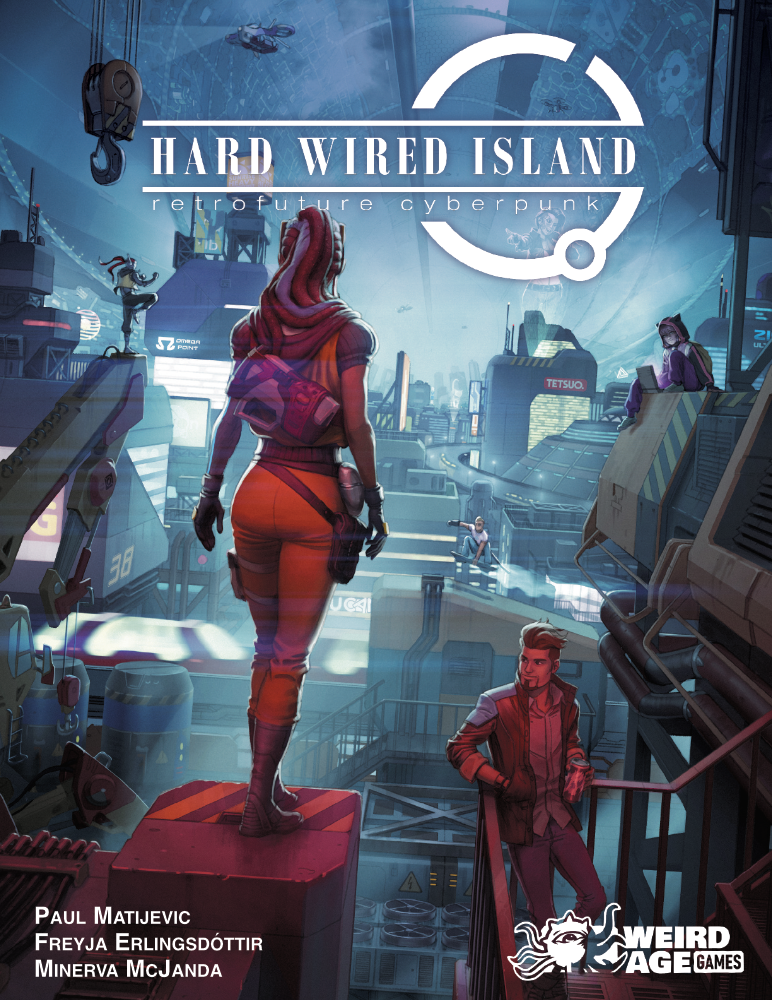 Rather than
using cyberpunk’s economic inequality merely as scenery, Hard Wired
Island treats labor as
necessary-yet-insufficient for survival, and the marginalized (the
characters) try to use technology to change an unequal status quo.
Economic shocks mechanize financial pressure, but merely accumulating
cash is never enough. Real change requires more extreme action.
Rather than
using cyberpunk’s economic inequality merely as scenery, Hard Wired
Island treats labor as
necessary-yet-insufficient for survival, and the marginalized (the
characters) try to use technology to change an unequal status quo.
Economic shocks mechanize financial pressure, but merely accumulating
cash is never enough. Real change requires more extreme action.
Day 30: Pride
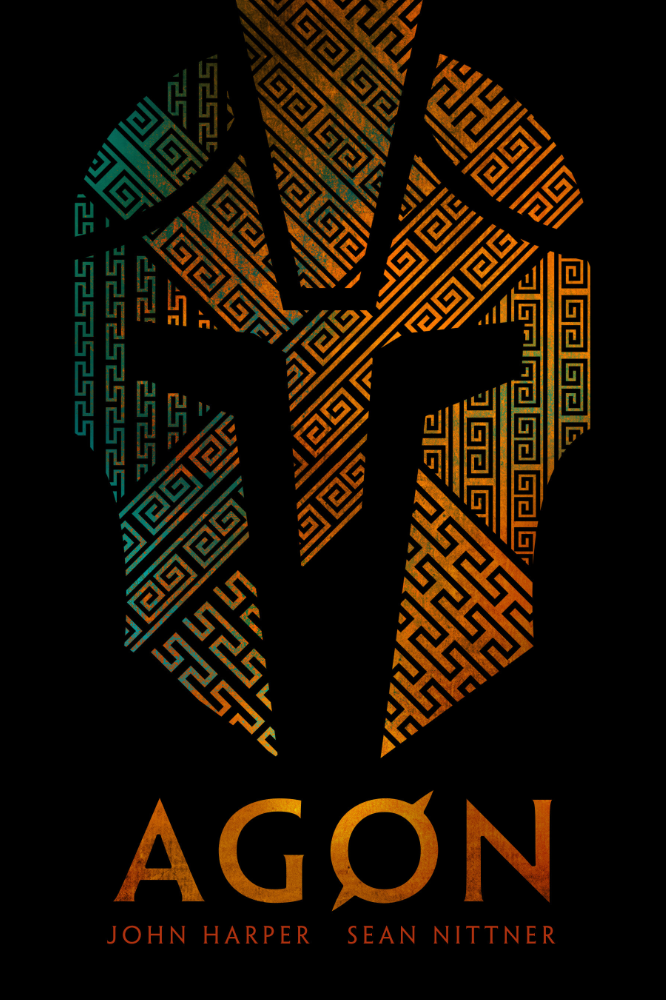 The heroes of AGON cooperate while simultaneously
competing for glory, but that is really just pride: “I
did something extraordinary, and I want everyone to know it was me.”
Dice resolution happens at the scene level, making for a fast-paced
conflict, each session bringing the heroes to an island facing strife,
dealing with that strife, and leaving the island never to return.
The heroes of AGON cooperate while simultaneously
competing for glory, but that is really just pride: “I
did something extraordinary, and I want everyone to know it was me.”
Dice resolution happens at the scene level, making for a fast-paced
conflict, each session bringing the heroes to an island facing strife,
dealing with that strife, and leaving the island never to return.
Day 31: Edge
 The high-tech, hard-boiled characters
of Technoir seek any
edge they can get, with the game fundamentally
interested in an economy of fictional advantages and disadvantages. All
it needed to be the game I use to play in the world of
Shadowrun was an alternative way of looking at characters to
include magic and some other things, so I built Dragons Cast a Long
Shadow to do that.
The high-tech, hard-boiled characters
of Technoir seek any
edge they can get, with the game fundamentally
interested in an economy of fictional advantages and disadvantages. All
it needed to be the game I use to play in the world of
Shadowrun was an alternative way of looking at characters to
include magic and some other things, so I built Dragons Cast a Long
Shadow to do that.